
Why Retention Pond Maintenance Is Critical in Property Development Planning
Retention ponds play a crucial role in modern property development, acting as an important tool for managing stormwater and enhancing environmental quality. These engineered basins are designed to collect and store runoff water, significantly reducing the risk of flooding while helping minimize water pollution. Regular retention pond maintenance is essential to ensure these systems continue functioning as intended over the long term. Developers, property managers, and community associations must consider both the immediate purpose of these ponds and the ongoing responsibilities associated with their care. Understanding how retention ponds function can make it easier to incorporate them effectively into development plans while supporting regulatory compliance and responsible land management.
The Role of Retention Ponds in Stormwater Management
Retention ponds serve as critical infrastructure for controlling stormwater within residential, commercial, and mixed-use developments. They temporarily collect runoff during periods of heavy rainfall, reducing the amount of water immediately entering streets, drainage systems, streams, and neighboring properties. Stored water can then be released gradually or remain within the basin depending on the pond's design. According to Janover Tech Inc., retention ponds typically range in size from 5% to 10% of a parcel's impermeable surface and are often required as part of a building's design by local planning commissions. Proper planning helps ensure that the pond has sufficient capacity to accommodate expected runoff volumes.
Beyond controlling flooding, retention ponds can improve water quality by allowing sediment and other suspended materials to settle before water reaches downstream environments. Vegetated areas surrounding the pond can capture debris and absorb certain nutrients carried by stormwater. This natural filtering process can reduce the amount of pollutants entering nearby waterways. Consistent retention pond maintenance helps preserve these functions by keeping drainage structures clear and ensuring that excessive sediment does not interfere with the pond's designed capacity.
Environmental and Aesthetic Benefits
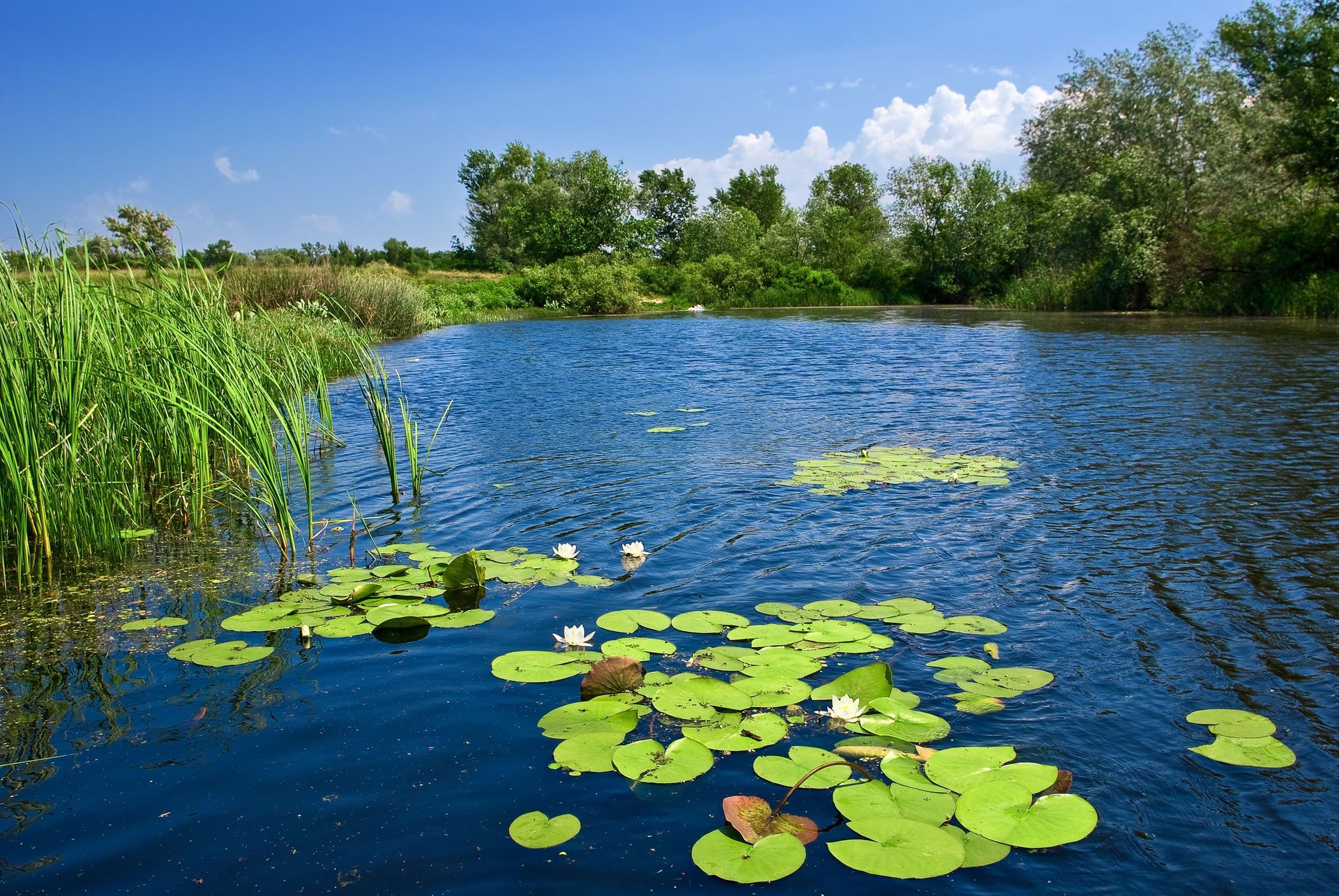
Retention ponds can become valuable environmental features within developed areas. Aquatic vegetation, grasses, and plants surrounding the banks can provide habitat for insects, birds, amphibians, and other wildlife. Native vegetation may also help stabilize soil and reduce erosion while creating a transition between developed spaces and natural areas. Thoughtful landscaping around a pond can therefore contribute to local biodiversity without compromising its primary stormwater management purpose.
A properly managed pond may also enhance the visual character of a development. Water features surrounded by appropriate vegetation can provide attractive views and complement nearby walking paths, green spaces, or community gathering areas. In some developments, ponds become recognizable landscape features that help create a more appealing setting for residents, tenants, employees, and visitors. Maintaining an orderly shoreline and controlling invasive vegetation can preserve this aesthetic value while keeping the area functional and accessible.
Essential Retention Pond Components
Several interconnected components allow a retention pond to operate effectively. Inlet structures direct runoff into the basin through pipes, channels, or drainage systems, while outlet structures regulate how water leaves the pond. These structures must remain free of excessive sediment, vegetation, and debris. Blockages can alter water levels, reduce drainage efficiency, and potentially contribute to flooding during severe weather events. Inspections are especially useful after major storms because branches, trash, soil, and other materials may accumulate around drainage structures.
Vegetative buffers are another important component. Native grasses and other suitable plants help stabilize pond banks, limit erosion, capture sediment, and absorb nutrients from runoff. Some ponds may also incorporate liners to limit unwanted seepage and help maintain appropriate water levels. Overflow spillways provide an additional safety measure by directing excess water away from embankments during unusually intense storms. Effective retention pond maintenance considers all of these components rather than focusing exclusively on the visible water surface.
Sediment Accumulation and Capacity Loss
Sediment accumulation is one of the most common challenges affecting retention ponds. Stormwater can carry soil, sand, organic matter, and other particles into the basin. As water slows, these materials settle to the bottom and gradually reduce available storage capacity. Excessive sediment can also affect aquatic habitats, alter water depth, and interfere with inlet or outlet structures. Monitoring sediment levels allows property managers to determine when removal may be necessary rather than waiting until capacity has been significantly reduced.
Sediment forebays can help address this issue by creating designated areas where larger particles settle before runoff enters the primary basin. These areas can simplify sediment removal and potentially reduce the frequency of more extensive dredging. When dredging becomes necessary, planning should account for access, disposal requirements, environmental considerations, and applicable regulations. Addressing sediment before it becomes excessive can help maintain both stormwater capacity and water quality.
Erosion and Vegetation Challenges
Erosion can gradually compromise pond banks, slopes, and surrounding areas. Heavy rainfall, concentrated water flows, inadequate vegetation, and disturbed soil may contribute to unstable banks. Small eroded areas can become larger if they are not corrected, adding even more sediment to the pond. Deep-rooted vegetation, erosion-control materials, and adjustments to drainage patterns may be used to stabilize vulnerable areas. Routine inspections make it easier to identify exposed soil, gullies, collapsing banks, and other warning signs before extensive repairs are required.
Vegetation also requires careful management. Although plants are important for bank stabilization and water filtration, uncontrolled growth can obstruct drainage structures, limit access, and interfere with water movement. Invasive species may displace native vegetation and change the ecological balance surrounding the pond. A well-planned retention pond maintenance program should therefore include selective trimming, invasive species management, replanting where necessary, and protection of beneficial native vegetation.
Managing Algae and Water Quality
Algal growth can become a concern when excessive nutrients such as nitrogen and phosphorus enter pond water through runoff. Fertilizers, organic debris, soil, and other sources can contribute nutrients that encourage rapid algae growth. Severe blooms may reduce dissolved oxygen, create unpleasant odors, affect aquatic organisms, and diminish the appearance of the pond. Managing nutrient sources throughout the surrounding property can be an important preventive strategy.
Water quality monitoring can provide additional information about changing pond conditions. Parameters such as pH, turbidity, dissolved oxygen, and nutrient levels may help identify emerging problems. Depending on site conditions, aeration, vegetation management, runoff controls, or other measures may be appropriate. Rather than responding only after visible problems appear, periodic monitoring gives management teams an opportunity to identify trends and adjust their practices accordingly.
Preventing Pest and Debris Problems
Ponds that experience stagnant conditions, excessive vegetation, or accumulated debris may create environments favorable to mosquitoes and other pests. Keeping drainage structures functional, controlling unnecessary vegetation, and supporting appropriate water movement can reduce conditions that encourage pest populations. Natural predators and habitat management may also contribute to a balanced pond ecosystem. Any chemical control measures should be considered carefully to avoid unnecessary effects on water quality and beneficial organisms.
Trash and organic debris should also be removed periodically, particularly around inlets, outlets, and spillways. Leaves, branches, litter, and other materials can restrict water movement and reduce the effectiveness of drainage infrastructure. Cleaning these areas is a relatively straightforward part of retention pond maintenance that can help prevent more complicated problems during heavy rainfall.
Successful retention pond maintenance requires consistent attention throughout the life of a property. Routine inspections, sediment management, vegetation care, water quality monitoring, debris removal, and timely repairs help preserve the pond's intended performance. When these responsibilities are incorporated into development planning from the beginning, retention ponds can remain effective stormwater assets while contributing environmental and community benefits for years to come. Contact our team at Advance Excavating Co today and learn more about pond maintenance services.

Share On: