
How Proper Land Grading Helps Prevent Drainage Problems
According to Siteline, there are approximately 234,000 excavation and site preparation contracting businesses in the United States. Land grading plays an important role in protecting properties from drainage problems, soil erosion, and water damage. When the ground slopes incorrectly, rainwater can collect near buildings, weaken foundations, and damage landscaping. Professional grading helps direct water toward appropriate drainage areas while supporting stable soil and usable outdoor spaces.
Understanding Land Grading
Land grading involves reshaping the ground to establish appropriate elevations and slopes. The process helps control water movement across residential, commercial, and construction sites. By accounting for natural contours, soil composition, and drainage requirements, contractors develop grading plans that reduce moisture-related risks.
High areas may need to be lowered, while low areas may require additional soil to establish a consistent slope. Contractors evaluate these conditions before selecting suitable grading methods. Cut-and-fill techniques redistribute soil, while slope grading establishes elevations that direct runoff away from buildings.
Soil composition also influences grading decisions. Sandy soils drain quickly but may require stabilization, while clay soils retain moisture and increase the risk of standing water. Understanding these differences helps contractors create stable surfaces and effective drainage solutions.
The size and intended use of a property also influence grading requirements. Residential lots may need modest adjustments to improve yard drainage, while commercial developments often require extensive earthmoving to accommodate parking areas, buildings, and access roads. Careful planning helps ensure that the finished terrain meets the property's intended needs.
Recognizing Drainage Problems Caused by Poor Grading
Improper grading can allow rainwater to accumulate around buildings, driveways, and landscaped areas. Standing water damages outdoor surfaces, creates muddy conditions, and increases the likelihood of localized flooding. Professional grading assessments help identify the underlying causes of persistent drainage problems.
Foundation damage is another concern. Water collecting near buildings can enter existing cracks and contribute to deterioration over time. Prolonged moisture exposure can also affect surrounding soil, potentially causing settlement and expensive structural repairs.
Soil erosion frequently occurs when runoff travels across exposed or improperly graded ground. Moving water carries away topsoil, destabilizes slopes, and deposits sediment in drainage channels. Professional grading helps control runoff and preserve soil stability.
Poor drainage can also damage landscaping by waterlogging plant roots, washing away mulch, and exposing roots. Standing water may attract mosquitoes, while persistent moisture can contribute to mold growth where water enters structures. Correcting grading deficiencies helps reduce these risks.
Driveways, walkways, and other paved surfaces can also experience problems when surrounding ground does not drain properly. Water may collect along pavement edges, contribute to surface deterioration, or freeze during colder weather. Addressing elevation issues helps protect these features and maintain safer access around the property.
Planning a Successful Grading Project
A successful grading project begins with a site assessment. Contractors examine elevations, soil conditions, existing drainage systems, and nearby structures to identify potential problems. They also evaluate rainfall patterns and consider whether changes in runoff could affect neighboring properties.
Contractors then develop a grading plan that establishes the required elevations and slopes. The plan should account for buildings, paved surfaces, landscaping, and designated drainage areas. Coordinating these elements helps direct water appropriately without creating new problems elsewhere.
Local regulations may require permits or erosion-control measures, particularly when projects affect stormwater runoff or environmentally sensitive areas. Professional contractors can help property owners understand applicable requirements before work begins.
Budget planning should include labor, equipment, soil movement, site preparation, and drainage improvements. Buried debris or unsuitable soil can affect costs and schedules, so obtaining a detailed estimate helps property owners understand the anticipated scope of work.
Weather and site accessibility can also influence project timelines. Heavy rainfall may delay earthmoving activities or make soil difficult to work with, while limited equipment access can complicate preparation. Discussing these potential challenges with the contractor helps establish realistic expectations and allows for better scheduling.
Choosing the Right Excavation Professionals
Selecting experienced contractors is essential when grading involves significant changes to a property's terrain. Professional crews use specialized equipment and technical knowledge to establish appropriate slopes and elevations. They can also identify conditions that may complicate drainage or affect soil stability.
Property owners should look for contractors with relevant experience, appropriate licensing where required, and knowledge of local regulations. Detailed proposals should explain the planned work, expected timeline, and measures for managing runoff.
When comparing local excavating companies, consider their experience with similar projects and their ability to coordinate grading with drainage systems. Contractors should explain how their proposed work will direct water away from structures and prevent excessive runoff onto neighboring land.
It is also helpful to compare equipment capabilities, project schedules, and site preparation methods. Asking local excavating companies about their approach to unexpected soil conditions can help property owners choose a contractor prepared to manage potential complications.
Clear communication throughout the project is equally important. Property owners should understand which areas will be reshaped, how excess soil will be handled, and whether additional drainage work may be necessary. Reviewing these details before construction begins helps prevent confusion and supports a smoother process.
Before hiring a contractor, property owners can also ask about previous projects involving similar terrain, drainage challenges, or construction requirements. References and detailed estimates help clarify the contractor's experience and approach. Comparing local excavating companies using these criteria makes it easier to identify a team suited to the property's specific needs.
Maintaining Effective Drainage Over Time
Even properly graded properties can develop drainage problems as soil settles or landscaping changes. Heavy rainfall, construction activities, and shifting ground conditions may alter how water travels across a site. Periodic professional evaluations help identify these changes before they cause significant damage.
Drainage systems must also remain clear and functional. Blocked channels, damaged outlets, and accumulated sediment can prevent water from flowing as intended. Coordinating drainage maintenance with grading assessments helps preserve the system's effectiveness.
New buildings, paved areas, retaining walls, and landscaping can also change established runoff patterns. Consulting local excavating companies before major site modifications can help property owners maintain appropriate drainage and avoid directing water toward vulnerable areas.
Changes in vegetation may affect soil stability as well. Removing established plants from sloped areas can leave soil more vulnerable to erosion, particularly during periods of heavy rain. Evaluating ground conditions after significant landscaping changes helps determine whether additional grading or stabilization is needed.
Preparing Properties for Construction
Grading is an important part of preparing land for residential, commercial, and industrial construction. Before foundations, roads, parking areas, or other structures can be installed, a site may need to be cleared, excavated, and brought to specified elevations. Proper preparation creates a stable working surface and supports drainage requirements.
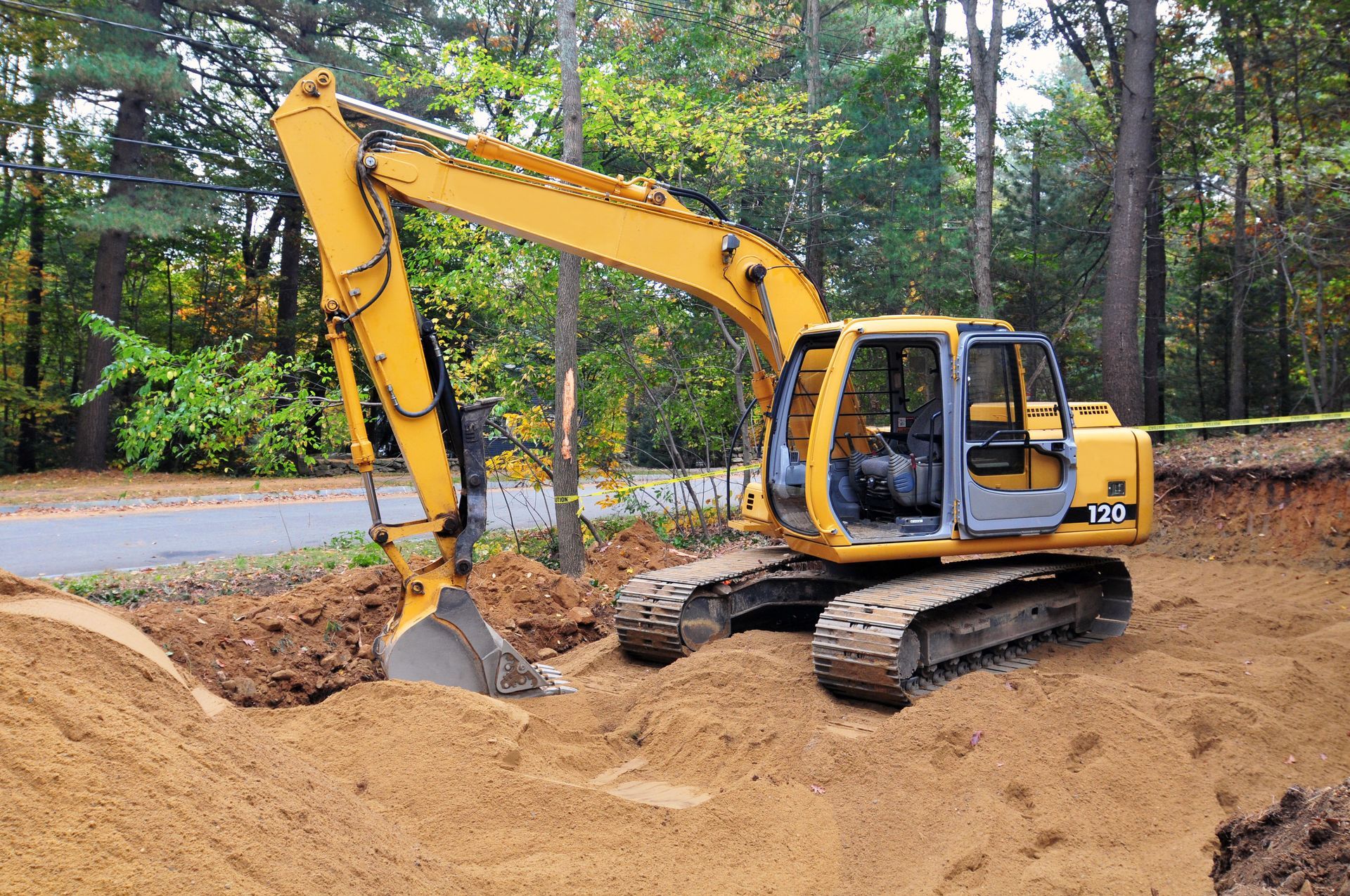
Excavation and grading work together to establish suitable construction conditions. Excavation removes soil for foundations and underground infrastructure, while grading shapes the surrounding terrain. Coordinating these activities helps contractors manage soil movement and prepare sites efficiently.
Experienced local excavating companies can assess existing conditions, identify potential obstacles, and coordinate site preparation with the broader construction plan. Their involvement can reduce delays associated with unsuitable ground conditions or inadequate drainage planning. Site preparation may also involve removing vegetation, clearing debris, and establishing access routes for construction equipment. These tasks must be coordinated with grading activities to maintain an organized work area. A well-prepared site allows subsequent construction phases to proceed with fewer complications.
For larger developments, local excavating companies can coordinate grading with foundation excavation, utility installation, and road preparation. This integrated approach helps ensure that elevation requirements are met before the next construction phases begin. Early coordination can also help identify potential drainage conflicts and minimize unnecessary soil movement.
Proper land grading helps protect properties from drainage problems, erosion, and long-term structural damage. By establishing suitable slopes and accounting for soil conditions, contractors can reduce standing water and safeguard building foundations. Professional planning also ensures that drainage solutions work alongside landscaping and construction requirements.
When drainage problems threaten a property or a construction project requires careful site preparation, qualified local excavating companies can help address the underlying issues. Advance Excavating Co provides excavation and site preparation services for property owners who need professional grading solutions. Contact Advance Excavating Co to discuss your property's grading requirements, evaluate drainage concerns, and plan the next steps toward a stable, well-prepared site.


Share On: