
The Rising Demand for Sustainable Solutions in Commercial Snow Plowing
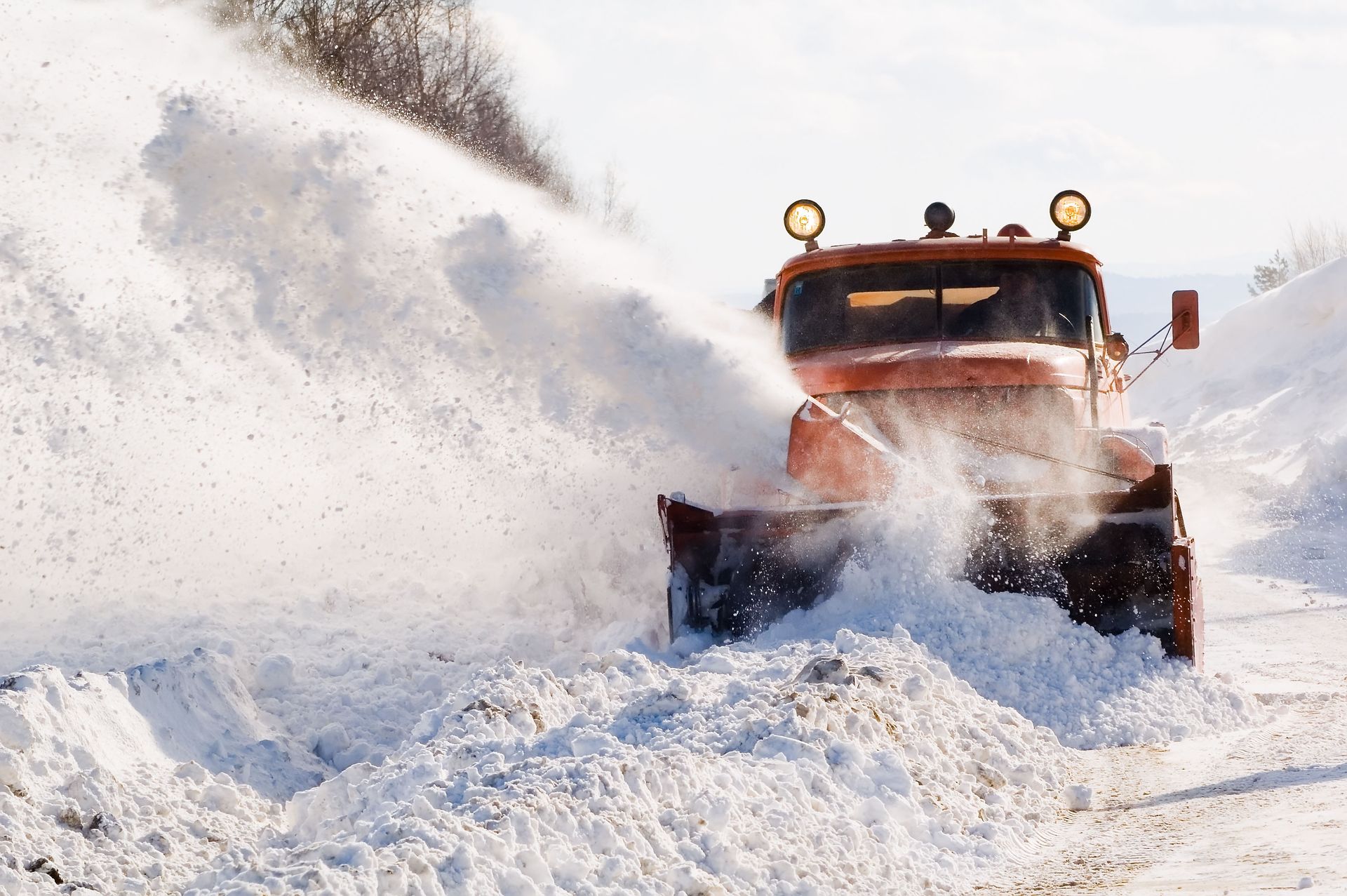
The increasing awareness of environmental impacts has led to a surge in demand for sustainable practices across various industries. Commercial snow plowing is no exception. This article explores the growing need for sustainable solutions in snow removal methods and the implications for the industry at large. Businesses are beginning to realize the environmental costs associated with traditional snow plowing methods, and the shift towards sustainability is not just a trend but a necessity. As climatic conditions become more unpredictable, the demand for eco-friendly snow management practices is inevitably rising.
Understanding Environmental Impacts of Traditional Salt Applications
Traditional snow removal significantly relies on the application of chemical deicers, such as sodium chloride and calcium chloride, to manage icy conditions. These chemicals, although effective at melting snow, have detrimental impacts on the environment. When deicers are spread across roads and pavements, they eventually make their way into soil and water sources, leading to contamination. This process pollutes freshwater lakes and rivers, which directly affects aquatic ecosystems and potable water sources. Furthermore, the residual chemicals can damage surrounding vegetation and urban infrastructure, compounding the ecological concerns associated with their use.
Snowplowing machinery is typically powered by diesel engines, which contribute to air pollution through carbon emissions. These emissions not only degrade air quality but also exacerbate climate change issues by increasing the atmospheric concentration of greenhouse gases. The frequency and duration of operations during winter months highlight the reliance on fossil fuels, further stressing the need for exploring cleaner energy alternatives. Excessive fuel consumption also imposes higher operational costs on businesses while simultaneously depleting nonrenewable resources.
The runoff from melted snow combined with chemical deicers inevitably leads to the introduction of pollutants into nearby water sources. The increased salinity from deicers poses a threat to freshwater ecosystems, where chloride concentrations can be toxic to aquatic life. In urban settings, these contaminants can overwhelm wastewater treatment facilities, leading to environmental compliance challenges. The degradation of water quality due to traditional methods is a significant concern for communities relying on affected bodies of water for drinking, agriculture, and recreational activities.
Adopting Eco-Friendly Deicing Agents and Clean Technologies
As awareness of environmental issues rises, so does the interest in natural deicers that pose less harm to the environment. Natural deicing agents, such as beet juice, calcium magnesium acetate, and even cheese brine, offer an eco-friendly alternative to traditional chemical deicers. These substances are biodegradable and less corrosive than salt-based options, thereby minimizing environmental impact. The adoption of natural deicers not only aids in reducing pollution but also aligns with consumer trends towards sustainability.
Recent technological advancements in plowing equipment have enabled more efficient and environmentally friendly commercial snow plowing operations. Equipment powered by electricity or hybrid systems reduces dependency on diesel and cuts down on emissions, offering a cleaner solution. Moreover, innovative plow designs and precision targeting systems enhance effectiveness, reducing the need for excessive application of chemical deicers. The incorporation of GPS and automation technologies further optimizes routes and operations, leading to substantial fuel conservation.
Organic salt alternatives, such as potassium acetate, provide effective deicing with reduced ecological impact compared to traditional salts. These alternatives are not only less damaging to infrastructure but also prevent soil and water contamination. Using organic deicers can enhance safety by quickly acting at lower temperatures without compromising environmental health. According to Service Autopilot, 92% of homeowners are looking for more sustainable solutions for their homes, which reinforces why commercial sectors must also transition toward these greener alternatives.
Evaluating Economic Implications of Sustainable Management
Evaluating the cost differences between traditional and sustainable commercial snow plowing methods reveals both challenges and opportunities. Traditional methods often involve lower upfront costs, such as cheaper chemical deicers and readily available machinery. However, sustainable solutions, while potentially more expensive initially, can lead to reduced operational expenses over time. For example, the decreased need for chemical treatments and the optimization of routes using technology can lower fuel and labor costs significantly.
Adopting sustainable operations can yield substantial long-term financial benefits by reducing maintenance and replacement costs associated with damaged infrastructure. Using less corrosive deicers reduces repair expenses, and energy-efficient equipment lowers fuel and utility bills. Moreover, an eco-friendly reputation enhances brand loyalty and can lead to increased business opportunities, as more clients and partners value sustainability. As environmental regulations tighten, companies that preemptively invest in green technologies may avoid penalties and gain a competitive edge.
Government programs and incentives can significantly alleviate the financial burden of transitioning to green commercial snow plowing methods. Subsidies for purchasing energy-efficient equipment or tax credits for implementing eco-friendly practices encourage businesses to adopt greener strategies. Various local and federal initiatives aim to support sustainable practices across industries, including snow management. These programs make it more feasible for businesses to switch while contributing to nationwide environmental goals.
Overcoming Challenges and Implementation Barriers
One of the most significant obstacles to implementing sustainable commercial snow plowing practices is the initial cost. Eco-friendly equipment, organic deicers, and advanced technologies often require a substantial upfront investment. This financial barrier can be particularly challenging for small businesses or municipalities with limited budgets. However, understanding the long-term savings and potential incentives can help mitigate these concerns. Educating stakeholders on the benefits and providing clear financial analysis play a vital role in overcoming financial hesitancy.
Resistance to change is another notable barrier to adopting sustainable practices within the winter management industry. Traditional methods have been ingrained for years, and shifting to new approaches can face skepticism and reluctance. Industry professionals may doubt the effectiveness or cost-efficiency of green alternatives, leading to hesitation in adoption. Overcoming this resistance requires consistent education, demonstration of successful implementations, and transparent communication of long-term benefits.
The adoption of new technologies often comes with technical challenges and knowledge gaps that hinder widespread implementation. Understanding the specifications and operation of advanced equipment or new deicing agents requires training and skill development. Inconsistencies in product availability and performance can further complicate the transition. Collaborative efforts with technology providers and continuous education programs can alleviate these challenges, building the necessary skills for operational success.
Integrating AI and Predictive Analytics for Future Operations
The rapid development of green technologies presents a promising future for sustainable solutions. Innovations in energy-efficient machinery, natural deicing products, and advanced monitoring systems are reshaping the industry landscape. These emerging technologies offer opportunities for enhanced effectiveness and reduced environmental impact. As demand for sustainability continues to grow, ongoing investment in research and development is critical. The evolution of green technology will play a pivotal role in meeting future challenges and redefining best practices.
The integration of AI and data analytics into commercial snow plowing operations represents a significant step towards increased efficiency and sustainability. Advanced data analytics enable precise route optimization, minimizing fuel consumption and emissions. AI-powered systems can enhance decision-making processes, allowing for real-time adjustments based on changing weather patterns. Predictive analytics support better planning, reducing reliance on reactive measures and wasteful application practices.
Smart systems are revolutionizing the industry by integrating automation, monitoring, and control technologies. These systems offer seamless operation, reducing the need for human intervention and optimizing resource utilization. IoT-enabled devices provide real-time feedback on equipment performance, enabling proactive maintenance to prevent downtime and inefficiencies. For more information about the services that we offer, reach out to our incredible team at Advance Excavating Co today!

Share On: