
Common Challenges in Residential Pond Construction and How Experts Handle Them
The appeal of residential pond construction goes beyond its visual charm, offering homeowners a serene retreat right in their backyard. However, as interest in pond building grows, so do the challenges, particularly for those without experience in aquatic design. Professional expertise is essential to overcome these obstacles, providing the knowledge and strategic solutions needed to create a pond that is both functional and visually stunning.
Selecting and Preparing the Site
Evaluating Soil Quality
Soil quality plays a pivotal role in determining the feasibility and longevity of a residential pond. Certain soil types, like sandy soils, pose challenges due to their high permeability, which can lead to water loss. On the other hand, clay-rich soil may be ideal as it naturally retains water.
Assessing Local Climate and Environmental Conditions
The local climate significantly impacts both the design and maintenance of residential ponds. Temperature variations influence not just water levels but also the types of plants and aquatic species that can thrive. For instance, ponds in colder climates may require considerations for freeze prevention, such as installing heaters or ensuring adequate depth to prevent complete freezing.
Environmental factors such as rainfall patterns and sunlight exposure play crucial roles in pond management. These elements affect water levels, algae growth, and the overall health of a pond ecosystem. By understanding these factors, homeowners can select appropriate pond designs and locations that minimize long-term maintenance risks.
Managing Water Source and Quality
Identifying Suitable Water Sources
The source of water for a residential pond is a fundamental element that influences both the quality and sustainability of the feature. Natural sources like nearby streams or rainwater collection can offer cost-effective and environmentally friendly options. For those without access to natural sources, municipal water supplies can be utilized, although these might incur ongoing fees.
Experts evaluate all potential sources based on factors like availability, cost, and environmental impact. This evaluation often includes water testing to ensure suitability for sustaining aquatic life. Identifying the best water source not only ensures economic efficiency but also promotes a healthy aquatic environment.
Access to a reliable water source ensures the long-term viability of a pond. Fluctuations in availability due to seasonal changes can be mitigated with contingency plans such as supplemental water storage or advanced irrigation systems. By selecting an appropriate and sustainable source, homeowners can maintain pond water levels and quality year-round, promoting a flourishing habitat.
Ensuring a Consistent Water Supply
Maintaining a continuous water supply is crucial for residential ponds, especially in areas subject to droughts or water restrictions. A diversified water strategy, incorporating multiple sources, ensures consistent water levels and ecological balance. Strategies such as rainwater collection systems or ponds designed with natural replenishing features can be effective.
Experts recommend mechanisms like automated pumping systems that manage water input during shortages. Additionally, strategic landscaping can reduce water loss from evaporation. These techniques contribute to keeping a pond's ecosystem resilient, regardless of external environmental conditions.
Creating a sustainable water supply system minimizes the need for costly manual replenishments. Tracking water levels and usage can help in making informed decisions about necessary interventions. An expertly planned supply strategy ensures the pond's longevity, supporting an aesthetically pleasing and ecologically balanced environment throughout the year.
Maintaining Water Quality
Water quality is a cornerstone of a healthy pond ecosystem, with factors such as pH, hardness, and nutrient levels requiring regular monitoring and management. Contaminants and excessive nutrients can lead to algae blooms, poor water clarity, and unhealthy conditions for fish and plants. Regular testing helps in rapid identification of issues, allowing timely interventions.
Experts rely on a blend of mechanical and biological solutions to maintain water quality. This can include installing appropriate filtration systems and introducing beneficial bacteria that naturally break down organic material. Ensuring a balanced aquatic environment minimizes maintenance efforts and maximizes pond health.
Addressing water quality also involves managing runoff from surrounding landscapes, which might introduce pollutants. Implementing buffer zones with native vegetation helps filter runoff before it reaches the pond. By maintaining high water quality, the pond becomes a thriving ecosystem that naturally regulates itself, enhancing both its beauty and biodiversity.
Designing Aesthetic Elements
Creating Natural-Looking Features
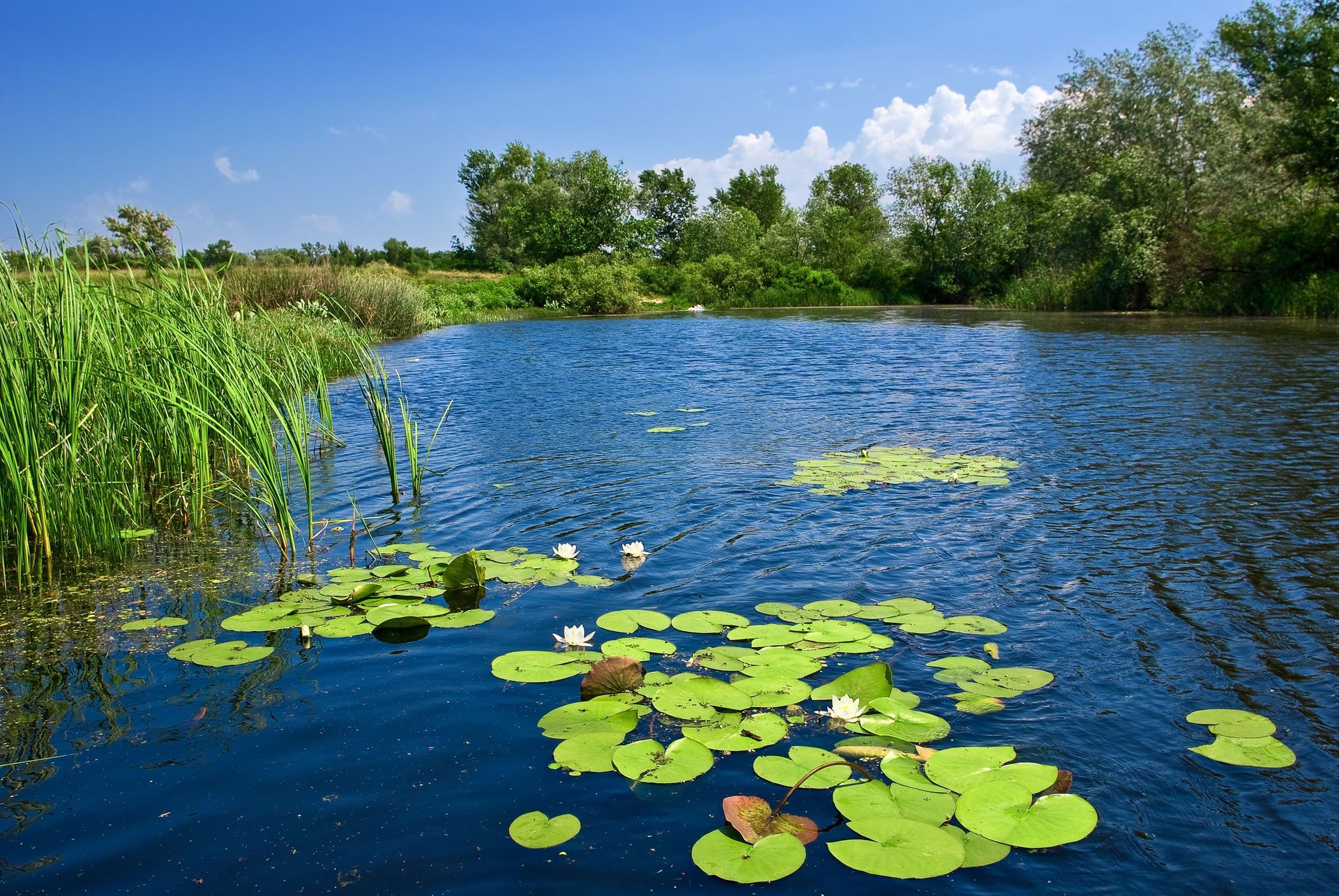
Pond design that mimics natural water bodies can significantly enhance the aesthetic appeal of the landscape. Techniques like the use of irregular shapes and varied depths contribute to a more organic appearance. Incorporating elements such as rocks, logs, and slopes helps to integrate the pond seamlessly into its surroundings.
Experts often draw inspiration from natural habitats, observing the interaction of elements in untouched environments. This includes the strategic placement of vegetation to soften pond edges and create transitions from water to land. A well-executed natural look not only appeals visually but also supports ecological health.
Attention to detail in design fosters a sense of authenticity, making the pond a focal point in the landscape. These features boost the sensory experience for viewers, from visual beauty to auditory elements like gentle water flow. By crafting a pond that reflects natural patterns, the feature becomes an immersive addition to any residential setting.
Selecting Appropriate Plant Species
Plant selection is a crucial aspect of pond design, with the potential to enhance aesthetics, improve water quality, and support local wildlife. Native plant species are often favored for their adaptability to local conditions and reduced maintenance requirements. Choosing the right mix of submerged, floating, and marginal plants can create a balanced and attractive landscape.
Experts consider factors such as sunlight, water depth, and space when selecting plant species. Proper spacing and diversity prevent overcrowding and create a dynamic visual palette. By integrating a variety of plant types, the pond can offer habitat and food for diverse wildlife, enhancing its ecological value.
Moreover, the strategic placement of plants aids in natural filtration and oxygenation of water, contributing to the overall health of the pond ecosystem. The visual and functional benefits of well-chosen plants interact synergistically, creating a sustainable and appealing aquatic environment. This harmonious integration of flora significantly enriches the pond's aesthetic and ecological contributions.
Incorporating Wildlife Habitats
Creating a welcoming environment for wildlife is a rewarding aspect of residential pond design. A well-planned pond can support a diverse range of species, from amphibians and fish to birds and insects. Features like shallow edges, logs, and nesting boxes encourage habitation and breeding opportunities for various wildlife.
Design experts focus on habitat diversity, ensuring the pond can accommodate different species' needs. For instance, amphibian-friendly features are ideal for providing breeding grounds, while submerged rocks and plant clusters offer refuge for fish. This variety attracts a wider array of wildlife, promoting a vibrant ecosystem.
Encouraging wildlife not only enhances biodiversity but also contributes to the pond's ecological balance. Predators like dragonflies help control pest populations, while other species may assist with plant pollination. Designing with wildlife in mind transforms a pond into a dynamic intersection of nature and art, fostering environmental stewardship and beauty.
Planning and Executing Residential Pond Construction
Residential pond construction offers homeowners a unique blend of beauty, relaxation, and ecological benefits. By carefully considering site conditions, water sources, plant selection, and wildlife habitats, a well-designed pond can become a thriving, sustainable centerpiece of any backyard.
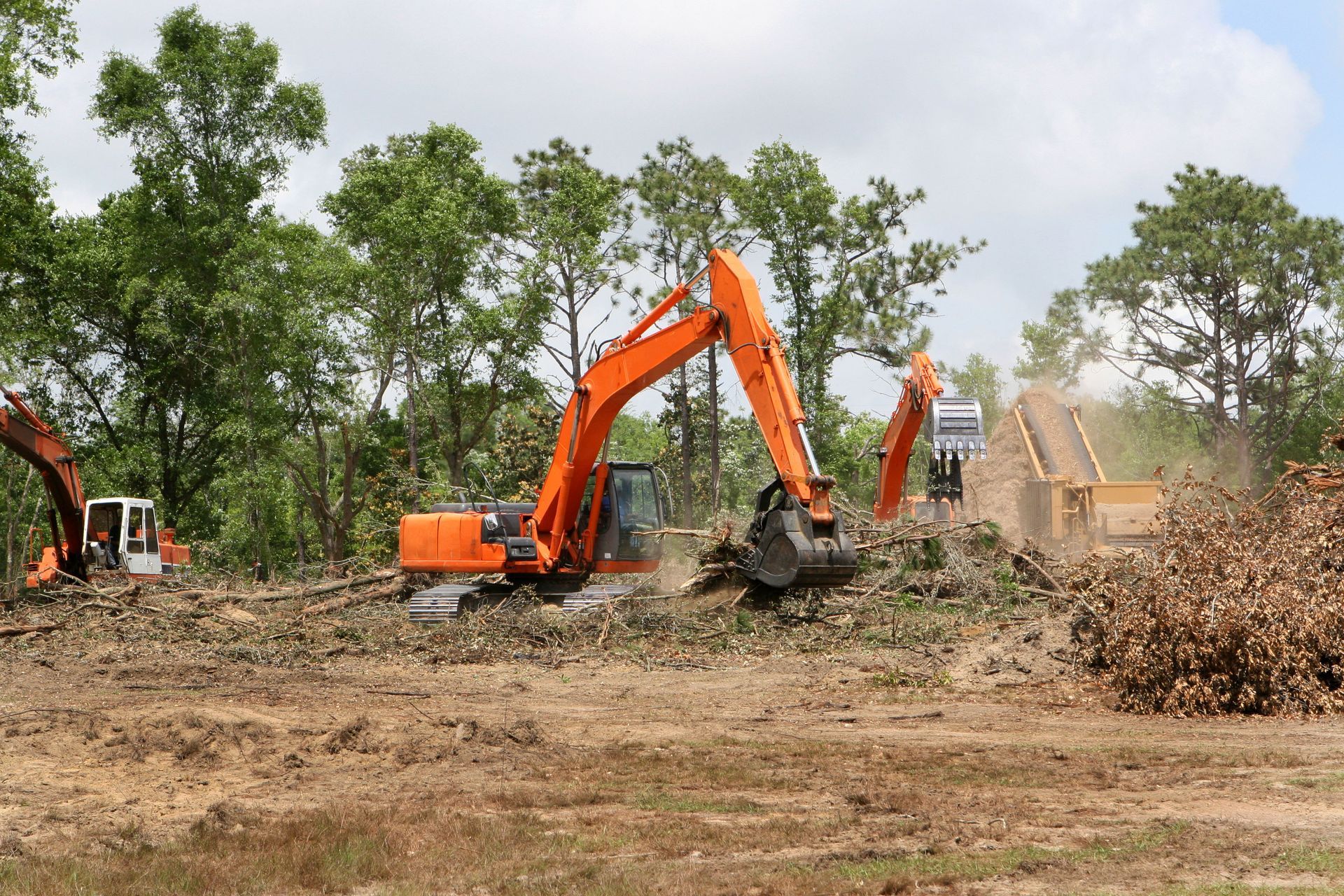
Professional expertise ensures that each aspect—from excavation to long-term maintenance—is handled efficiently and effectively. According to HomeGuide, excavation for pond projects can range from one to three days for smaller projects to three weeks or more for larger or complex sites, highlighting the value of experienced professionals in managing timelines and challenges. With expert guidance, residential pond construction can achieve both functional and aesthetic excellence.
Ready to create your own backyard oasis? Contact Advance Excavating Co today to schedule a consultation and start designing a pond that perfectly blends aesthetics, functionality, and environmental harmony, making your residential pond construction project a lasting investment in your home.


Share On: