
Excavation Contractor Tips: Perfect Foundations Without the Headaches
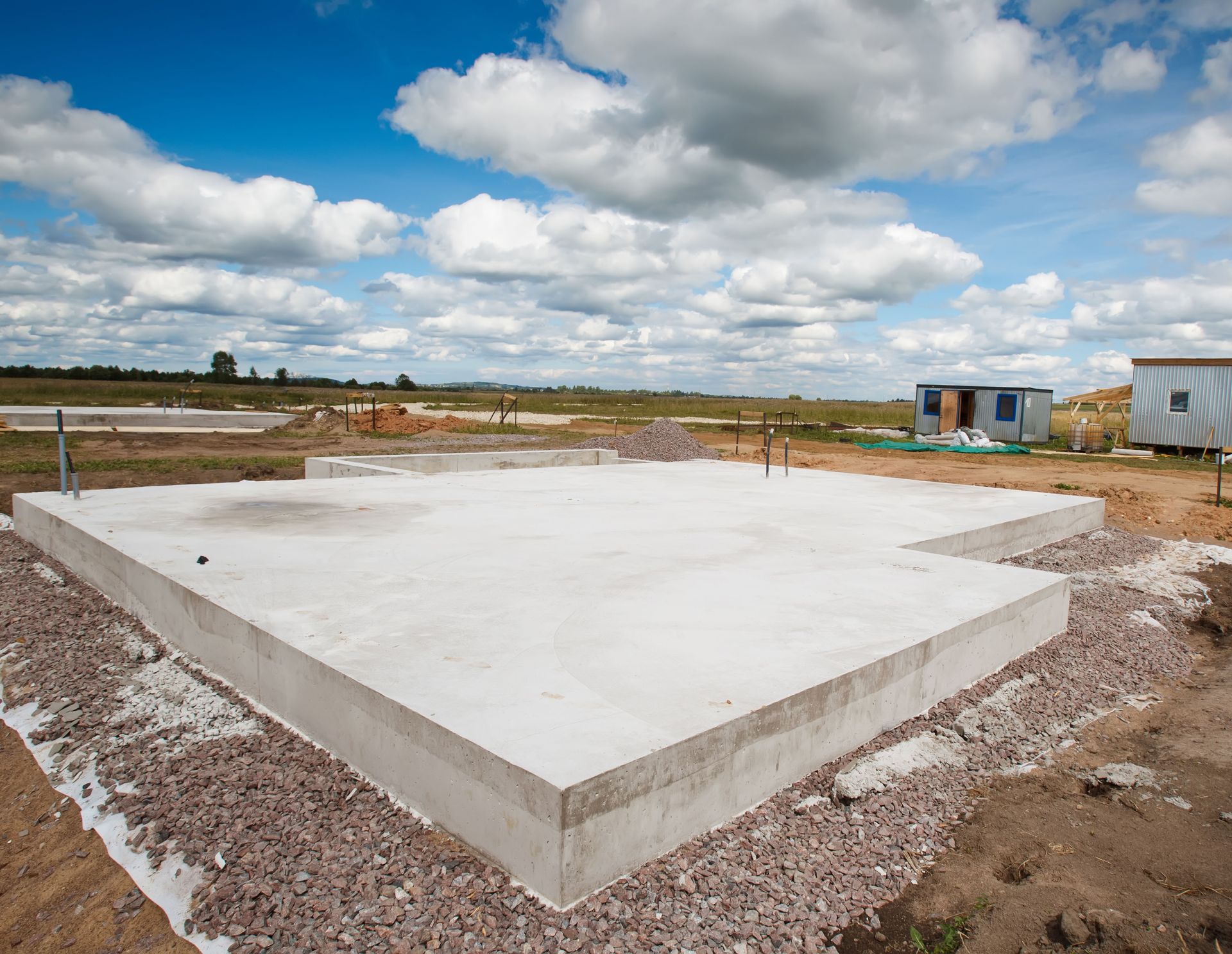
In the world of construction, laying the perfect foundation is crucial for the structural integrity of any building. An experienced excavation contractor plays a pivotal role in this process, ensuring that the groundwork is thoroughly prepared before vertical construction begins. Precision during early phases prevents structural complications, water intrusion, and uneven settlement years down the line. This article provides practical guidance to help every excavation contractor achieve durable, code-compliant, and stable foundations while minimizing costly setbacks and project delays.
Understanding Soil Types and Their Impact on Foundations
Identifying Common Soil Types
The foundation of any construction project is intricately linked to the type of soil present on the site. Sandy soils, clay soils, silt, and gravel each have unique characteristics that influence their suitability for building foundations. For instance, clay soils can retain water, expanding and contracting with moisture levels, which can affect stability. Sandy soil offers excellent drainage but lacks cohesion. Conducting proper classification tests allows teams to design foundations suited to real site conditions rather than assumptions.
How Soil Composition Affects Structural Integrity
Soil composition significantly dictates structural stability and longevity. A well-prepared foundation accounts for load-bearing capacity, compaction characteristics, and settlement tendencies. Inappropriate soil mixtures can lead to differential settlement or cracking. Reinforcement methods such as compaction, soil stabilization, or engineered fill placement improve reliability. When soil behavior is clearly understood, structural engineers can design footings and slabs that distribute loads evenly and resist movement over time.
Assessing Soil Stability Before Excavation
Prior to breaking ground, assessing soil stability is critical. Geotechnical investigations provide insights into density, moisture content, and bearing strength. Borehole drilling, test pits, and laboratory analysis reveal hidden weaknesses that may not be visible on the surface. Early identification of soft spots or high water tables allows adjustments in excavation depth and support systems. Thorough assessment reduces the risk of trench collapse and uneven settlement later in the build.
Local Climate Influence on Soil Conditions
Regional climate patterns directly impact soil performance. Freeze-thaw cycles can expand moisture within soil, while heavy rainfall increases erosion risks. In arid climates, prolonged dryness can shrink clay-rich soils. These seasonal variations must be considered during planning and grading. Designing with climate awareness ensures long-term resilience and reduces maintenance issues associated with shifting foundations.
Site Survey and Preparation Techniques
The Importance of Site Surveys
A detailed site survey provides essential information about elevation changes, property boundaries, and underground conditions. Surveys identify potential conflicts such as buried utilities or adjacent structures that may require protection. Accurate mapping supports proper grading plans and ensures compliance with zoning and setback requirements. Regular survey updates during the process keep the project aligned with design intent.
Using Modern Technology for Accurate Site Analysis
Modern technology enhances site analysis accuracy and efficiency. GPS-guided equipment improves grading precision, while drone surveys generate high-resolution topographic maps. Building Information Modeling allows teams to simulate excavation phases before physical work begins. These tools reduce guesswork and improve coordination among project stakeholders.
Clearing and Grubbing Preparation
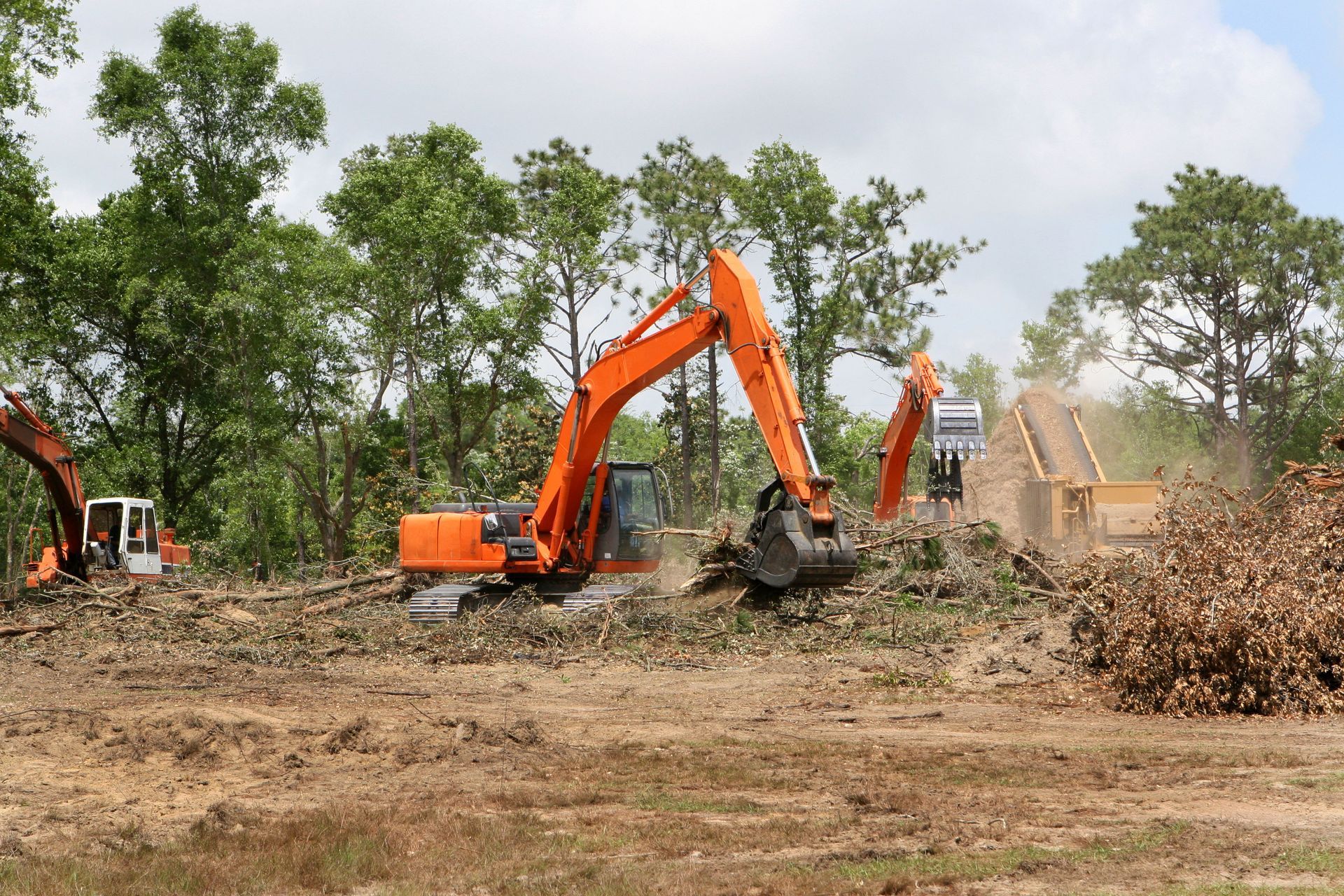
Clearing removes vegetation and surface debris, while grubbing extracts roots and organic matter that could decompose and destabilize soil. Proper preparation prevents voids beneath slabs and footings. Heavy machinery ensures efficient removal, but careful supervision avoids over-disturbing stable soil layers. A clean and level site sets the stage for consistent compaction and grading overseen by an experienced excavation contractor.
Ensuring Proper Drainage Solutions
Drainage planning is essential to protect foundation integrity. Water accumulation weakens soil and increases hydrostatic pressure against walls. Installing sub-drainage systems, swales, or culverts redirects water safely away from the structure. According to BusinessWire, regulatory delays and permitting challenges impact roughly 30% of excavation projects in 2025. Proper grading ensures surface runoff flows away from the building footprint. Addressing drainage early prevents expensive remediation later.
Choosing the Right Equipment
Equipment Essential for Excavation
Equipment selection directly affects efficiency and precision. Excavators, bulldozers, and backhoes must match the project’s scale and soil conditions. Properly sized machinery reduces unnecessary fuel use and limits soil disturbance. Routine inspections and preventative maintenance keep equipment operating safely and reliably on site.
Advantages of Renting vs. Purchasing Machinery
Deciding whether to rent or purchase machinery depends on project frequency and financial strategy. Renting provides flexibility and access to newer technology without long-term maintenance costs. Purchasing may offer savings when equipment is used consistently across multiple projects. Evaluating total lifecycle costs supports informed decisions.
Safety Gear and Equipment Maintenance
Worker safety depends on proper protective equipment and well-maintained machinery. Hard hats, steel-toe boots, and high-visibility apparel reduce injury risks. Scheduled maintenance prevents mechanical failures that could endanger crews. A culture of safety begins with consistent adherence to standards and accountability at every level.
Advanced Machinery for Complex Excavations
Complex sites may require specialized equipment such as long-reach excavators or hydraulic breakers. Automated grade control systems enhance precision in challenging terrain. Advanced machinery increases productivity while maintaining accuracy in deep or confined excavations.
Ensuring Compliance with Regulations and Safety Standards
Understanding Local Building Codes
Compliance with building codes protects both safety and project viability. Regulations cover excavation depth, shoring requirements, and erosion control. Staying informed about updates prevents costly rework or fines. Proper documentation ensures transparency throughout inspections.
Key Safety Regulations for Excavation Work
Trenching and excavation standards mandate protective systems to prevent cave-ins. Regular inspections, especially after weather events, verify trench stability. Ongoing safety training reinforces awareness of hazards and emergency procedures.
Documentation and Permits: What You Need
Securing permits before work begins prevents legal complications. Required documentation may include environmental approvals and utility clearances. Organized recordkeeping streamlines inspections and demonstrates professionalism expected from a qualified excavation contractor.
Training Your Team on Safety Protocols
Continuous safety education prepares crews to recognize and mitigate hazards. Toolbox talks, drills, and refresher courses strengthen preparedness. A knowledgeable team responds effectively to changing site conditions and reinforces the standards every excavation contractor should uphold.
Effective Communication with Stakeholders
Setting Clear Expectations with Clients
Clear communication establishes realistic timelines and budgets. Providing consistent updates reduces misunderstandings and builds confidence. Transparent dialogue strengthens professional relationships and reinforces trust throughout the project lifecycle.
Coordination with Architects and Engineers
Close collaboration with architects and engineers ensures excavation aligns with structural requirements. Shared digital platforms streamline revisions and approvals while minimizing delays caused by miscommunication.
Keeping Open Lines of Communication with Suppliers
Reliable supplier coordination prevents material shortages and delays. Confirmed delivery schedules and backup plans maintain workflow continuity. Proactive communication helps teams stay ahead of disruptions and maintain progress.
Managing Concerns and Disputes Professionally
Addressing disputes promptly maintains morale and project momentum. Structured conflict-resolution processes support fairness and collaboration. Professionalism during challenges reflects the reliability clients expect from an experienced excavation contractor.
Mitigating Common Pitfalls in Excavation Projects
Identifying and Avoiding Cost Overruns
Detailed budgeting and expense tracking reduce financial surprises. Monitoring resource use allows early correction of deviations and protects profit margins.
Strategies for Weather-Related Delays
Weather contingency plans maintain flexibility in scheduling. Temporary protections such as tarping or pumping systems reduce downtime and safeguard exposed soil conditions.
Addressing Unexpected Underground Obstacles
Pre-construction scans help detect hidden obstructions. Adaptive planning minimizes disruption when obstacles are encountered and supports steady project progression.
Handling Changes in Project Scope
Formal change-order processes document revisions and protect budgets. Clear approval procedures maintain alignment among stakeholders and preserve accountability.
Laying a perfect foundation requires meticulous planning, informed decision-making, and disciplined execution. A skilled excavation contractor who understands soil behavior, utilizes appropriate equipment, maintains regulatory compliance, and communicates effectively can significantly enhance project outcomes. By proactively addressing risks and prioritizing safety and precision, any excavation contractor can deliver stable, long-lasting foundations that support successful construction for years to come. Contact Advance Excavating Co today to get connected with our excavation services.

Share On: