
How an Excavation Company Turns Your Muddy Lot into a Dream Yard
Excavation is more than just digging; it's a strategic operation that sets the foundation for a successful landscaping project. From assessing the site’s condition to addressing potential environmental challenges, an excavating company brings in its expertise to seamlessly turn visions into reality. Every stage, from the initial concept to the final implementation, requires careful coordination and skilled craftsmanship.
Your Yard Vision and Necessities
The transformation of your yard begins with an initial consultation where the excavating company explores your vision and specific needs. During this meeting, professionals gather precise measurements, ask questions about desired functionality and aesthetics, and discuss timelines for the project. Feedback from this consultation informs the design process and helps prioritize tasks that need immediate attention. Open communication at this stage aligns expectations between client and contractor, creating a foundation for smooth collaboration. The assessment also includes an inspection of existing conditions, identifying potential problems and exploring solutions that fit both vision and budget, allowing for a solid plan that minimizes risks and supports structural integrity.
A detailed site analysis follows the consultation, evaluating layout, soil conditions, and specific challenges of the lot. Soil testing provides information on nutrient levels, compaction, and drainage, guiding the selection of appropriate materials and excavation techniques. Different soil types can impact the timeline, construction approach, and long-term stability of the yard, so addressing these factors early is critical. The design and planning phase then integrates creativity and practicality, incorporating features like patios, walkways, gardens, and other functional elements. Modern tools such as 3D modeling help clients visualize the layout and make adjustments before construction, reducing costly changes during the build while maintaining alignment with the established plan.
Environmental considerations, realistic budgets, and accurate timelines are vital throughout the project. Excavation companies follow local regulations and adopt eco-friendly techniques to protect natural resources while achieving aesthetic goals. Techniques such as planting native vegetation, integrating natural water management systems, and minimizing ecosystem disruption contribute to sustainable results. Budget transparency and timeline planning guide coordination, with an excavating company estimating labor, materials, permits, and contingencies to keep projects on track. According to Bob Vila, an excavator can dig a range of 350 to 1,000 cubic yards daily, a statistic that directly influences project scheduling and progression.
Site Preparation and Initial Excavation
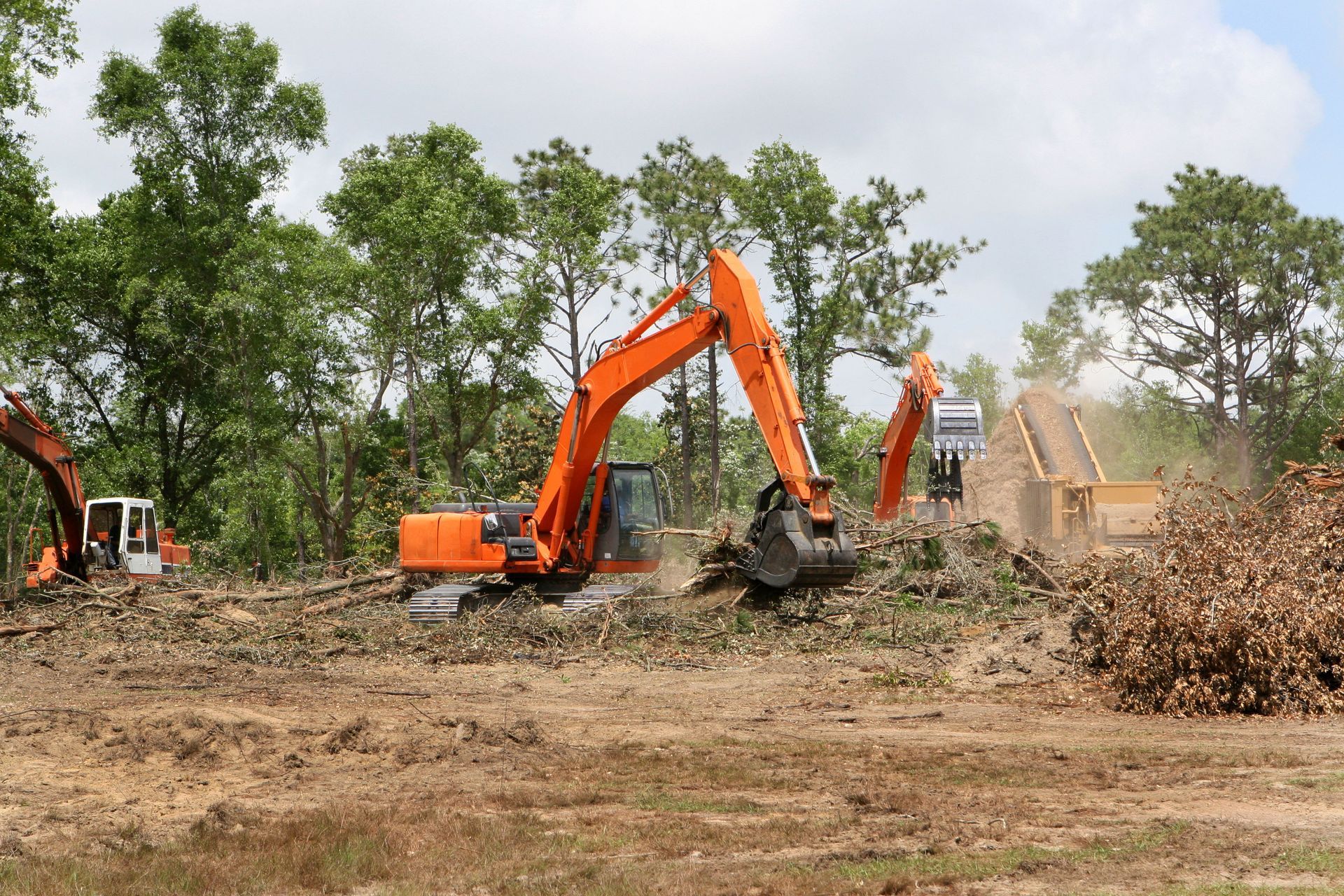
Site preparation begins with clearing the land, removing bushes, trees, and manmade structures that could impede progress while preserving elements that add aesthetic or functional value, such as mature shade trees. Excavation companies assess existing vegetation to determine what should be retained, repurposed, or removed, and they adopt responsible practices like recycling organic materials and minimizing habitat disruption. Safely disposing of debris or reusing it on-site supports sustainability and cost efficiency. Proper site clearance establishes a clean, organized workspace, laying the foundation for accurate site marking, smooth excavation, and streamlined project progression, which is critical for achieving the desired final design.
Marking the excavation area is the next essential step, requiring precise measurements to define boundaries and guide the scope of work. Surveyors and project managers use advanced tools such as laser levels and GPS equipment to achieve accuracy, preventing costly errors and optimizing material usage. Clear communication among team members and clients confirms that the marked areas align with the planned design, creating a roadmap for equipment operators. Following these markings, topsoil and debris are removed carefully to preserve valuable organic material for later landscaping while clearing rocks, roots, and other obstacles. Strategic handling of these materials maintains a safe, efficient workspace and prepares the site for subsequent excavation phases.
Excavation work relies on both the appropriate equipment and specialized techniques to meet the project’s specific goals. Machines such as backhoes, bulldozers, and trucks are selected based on the scale and complexity of the job, while methods like trenching, grading, and digging are executed to maintain structural integrity and adhere to design specifications. Skilled operators adapt techniques to site conditions, maximizing efficiency while minimizing environmental impact. Safety remains a priority throughout, with hazard assessments, safety briefings, protective gear, and properly maintained machinery protecting workers and the project. Careful coordination of operations maintains productivity and quality, allowing an excavating company to complete precise and safe projects with your vision.
Water Issues and Drainage Solutions
Effective drainage is essential for transforming a muddy lot into a usable and thriving yard. The process begins with a thorough site assessment to identify problem areas where water tends to accumulate or soil has poor permeability. Experts document water flow patterns and evaluate topography, soil type, and slope to determine low-lying areas that require attention. Addressing these issues early allows excavation teams to implement long-lasting solutions, preventing repeated maintenance, pooling, or damage while setting the stage for a resilient and functional landscape.
Installing targeted drainage systems such as French drains and swales is a critical step in managing water. French drains consist of gravel-filled trenches with piping that redirect excess water away from problem areas, while shallow and vegetated channels known as swales guide runoff naturally into designated locations or allow it to soak into the ground. Grading complements these installations by shaping the land to direct water flow efficiently, so runoff moves away from structures and critical areas. Careful planning, technical skill, and precise equipment allow grading and system placement to optimize drainage while maintaining both structural integrity and aesthetics.
Permeable materials further enhance drainage while supporting sustainable landscape design. Porous pavers, gravel pathways, and permeable concrete allow water to pass through surfaces, reducing runoff and promoting natural absorption into the ground. Integration of these materials within patios, driveways, and walkways maintains both functionality and visual harmony. Long-term maintenance, including clearing blockages, repairing erosion, and monitoring system performance, preserves drainage effectiveness. By combining strategic installations, grading, permeable surfaces, and ongoing care, an excavating company creates yards that remain dry, usable, and visually appealing regardless of weather conditions.
Building and Expanding Your Dream
Creating levels and terraces adds dimension and visual interest to any landscaping design while maximizing usable space. On properties with varied terrain or slopes, terracing transforms uneven land into flat, functional areas suitable for gardens, patios, seating, or recreational spaces. These elevated sections not only expand the practical use of the yard but also contribute significantly to its overall aesthetic appeal, creating a more structured and dynamic outdoor environment.
The development of terraces requires careful planning and engineering to maintain long-term stability and cohesion. Retaining walls are commonly used to support these levels, constructed from materials such as stone, concrete, or wood, depending on design preferences and site conditions. Proper construction includes attention to drainage, with integrated systems that direct water away from the terraces, preventing erosion and preserving the integrity of the structures over time.
Terraces also provide opportunities for creative landscaping, irrigation, and accessibility enhancements. Varying plant heights, textures, and colors across levels can generate visual interest while allowing for practical maintenance and effective water management. Excavation professionals work to integrate these elements seamlessly, combining structural durability with aesthetic appeal. The result is a versatile, visually captivating landscape that meets functional needs and reflects the client’s design vision.
Transforming your yard into a functional and beautiful oasis requires careful planning, expert execution, and ongoing maintenance. From site preparation and drainage solutions to terracing and thoughtful design, each step contributes to a cohesive and lasting landscape. Partnering with a skilled excavating company efficiently brings your vision to life. By combining creativity, technical expertise, and attention to detail, you'll enjoy a yard that is both stunning and sustainable for years to come. Revamp your property with expert excavation services and contact Advance Excavating Co today to start planning your next project.


Share On: